Google recently dropped a bombshell: the classic Fitbit app is being retired in favor of a new platform called Google Health. Alongside this, the company unveiled the Fitbit Air, a sleek new wearable. At first glance, the death of the trusty Fitbit app might seem alarming, but the shift actually promises a smarter, more integrated health experience. Here are 10 key things you need to know about this transition.
1. Goodbye, Fitbit App – Hello, Google Health
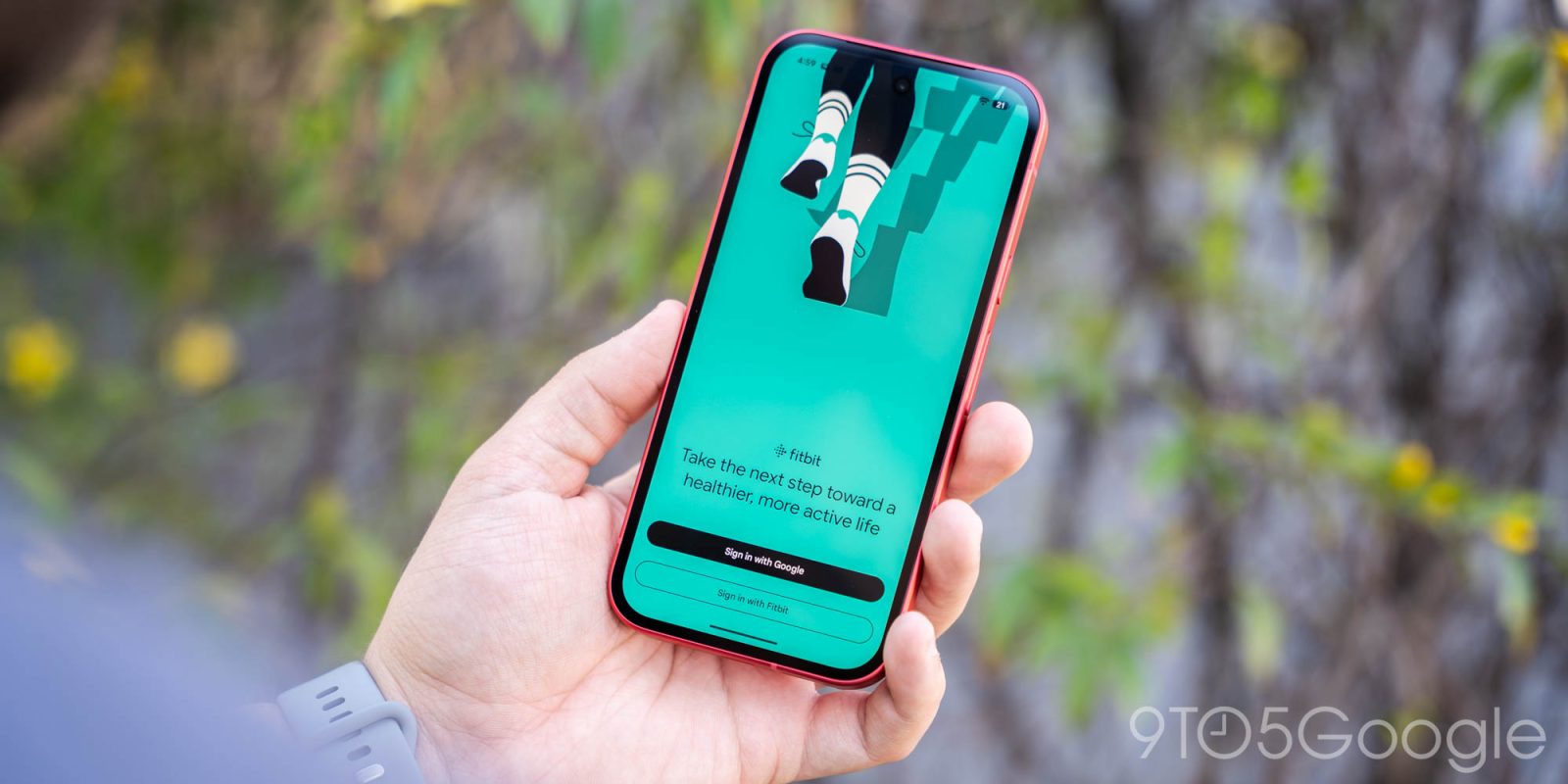
The standalone Fitbit app is officially being phased out. Its successor, Google Health, consolidates fitness tracking with broader Google services like Google Fit and Calendar. This means your step counts, sleep data, and heart-rate metrics will live in a unified dashboard, making it easier to see how your activity ties into your daily schedule. For existing Fitbit fans, the interface will feel familiar but cleaner, with personalized insights powered by Google's machine learning. While change can be unsettling, the new app is designed to reduce clutter and offer deeper analysis.
2. A Unified Health Ecosystem
Previously, Fitbit existed in its own silo. Now, Google Health connects to Google Fit and third-party apps like MyFitnessPal and Strava. This means you can track your workouts, meals, and sleep all in one place. For example, if you log a run on Strava, it automatically appears in Google Health. The integration also extends to Google Calendar, which can suggest rest days based on your recovery stats. This unified approach aims to give a holistic view of your well-being, rather than just isolated metrics.
3. What Happens to Your Existing Fitbit Data?
The million-dollar question: will you lose years of history? According to Google, all historical data from your Fitbit app will be migrated seamlessly to Google Health. You won't need to manually export or re-enter anything. The migration will happen automatically when you first open the new app. Plus, your goals, badges, and friend connections will remain intact. However, note that some legacy devices (like the original Flex) may have limited support, so check compatibility before updating.
4. The Fitbit Air: A Fresh Wearable
Alongside the app news, Google unveiled the Fitbit Air. This device is thinner, lighter, and features a color AMOLED display. It packs GPS, heart-rate monitoring, and 7-day battery life. The Air is designed to work seamlessly with Google Health, offering one-tap sync and voice commands via Google Assistant. It's a clear signal that Google isn't abandoning hardware; rather, it's streamlining the experience. The Fitbit Air undercuts competitors on price while adding signature Google intelligence.
5. Privacy and Google Integration: The Trade-Off
Moving more data into Google's ecosystem raises privacy concerns. Google promises that health data won't be used for advertising and remains encrypted. You can choose what to share and with whom. However, the integration does mean your health trends could inform other Google services (like suggesting a walk when you have a free slot in your calendar). For many users, the convenience outweighs the trade-off, but it's wise to review Google's privacy controls after migrating.
6. Better Insights for Android Users
Android users will see the biggest improvements. Google Health can tap into system-level sensors and Google Assistant for voice-activated logging. Notifications from the app will appear directly in the notification tray, and you can view your daily stats in a widget. There's even integration with Google Maps, so walking routes are logged automatically. For iPhone users, the experience will be similar but slightly less rich because iOS restricts deep system access.

7. Third-Party Apps and Developer Opportunities
Developers can now build on top of Google Health's APIs. This means more apps and gadgets that can push data directly into your health record. For instance, a smart scale could automatically log your weight, or a meditation app could track your stress levels. This expands the Fitbit ecosystem beyond Google's own devices, potentially making it the central hub for all your health data – similar to Apple HealthKit but with broader Android integration.
8. Competing with Apple Health and Samsung Health
Google Health is clearly aiming to rival Apple Health and Samsung Health. Both competitors already offer deep integration with their respective ecosystems. Google's advantage lies in its wide reach – it works on any Android phone and will soon offer web access. Apple Health remains iOS-only, and Samsung Health is primarily for Galaxy devices. Google Health could become the default choice for the vast Android user base, especially former Fitbit loyalists who don't want to switch ecosystems.
9. The End of Fragmentation for Fitbit
Before this change, Fitbit users faced a fragmented experience: the Fitbit app for daily tracking, Google Fit for certain integrations, and separate logs for food and sleep. Google Health merges these into one cohesive platform. This reduces confusion and ensures that all your data works together. For example, your sleep score now influences your recommended activity for the next day. It's a unified health operating system that makes tracking feel less like a chore and more like a natural part of your routine.
10. Long-Term Vision: Preventive Healthcare and AI
Google's master plan goes beyond simple tracking. With the massive dataset from millions of Fitbit users, Google Health can leverage AI to predict health trends and suggest preventive measures. For instance, it might warn you of abnormal heart rhythms or detect early signs of sleep apnea. The app could also share anonymized data with researchers (if you opt in) to advance medical studies. Over time, Google Health might transform from a simple tracker into a personal health advisor that helps you live longer and healthier.
What’s Next for Fitbit Fans?
The transition from Fitbit app to Google Health is a bold step. While change is never easy, the potential benefits – deeper insights, seamless integration, and a unified ecosystem – make it a net positive. Existing users should update when prompted and explore the new features. Newcomers can jump in with the Fitbit Air and start fresh. Ultimately, this move signals Google's serious commitment to health tech, and that's a heartbeat we can all get behind.