Breaking News
Every time you tighten your abdominal muscles—even slightly—your brain gently sways inside your skull. This subtle motion, triggered by pressure changes in connected blood vessels, appears to help circulate cerebrospinal fluid around the brain, potentially flushing out harmful waste, according to a new study.
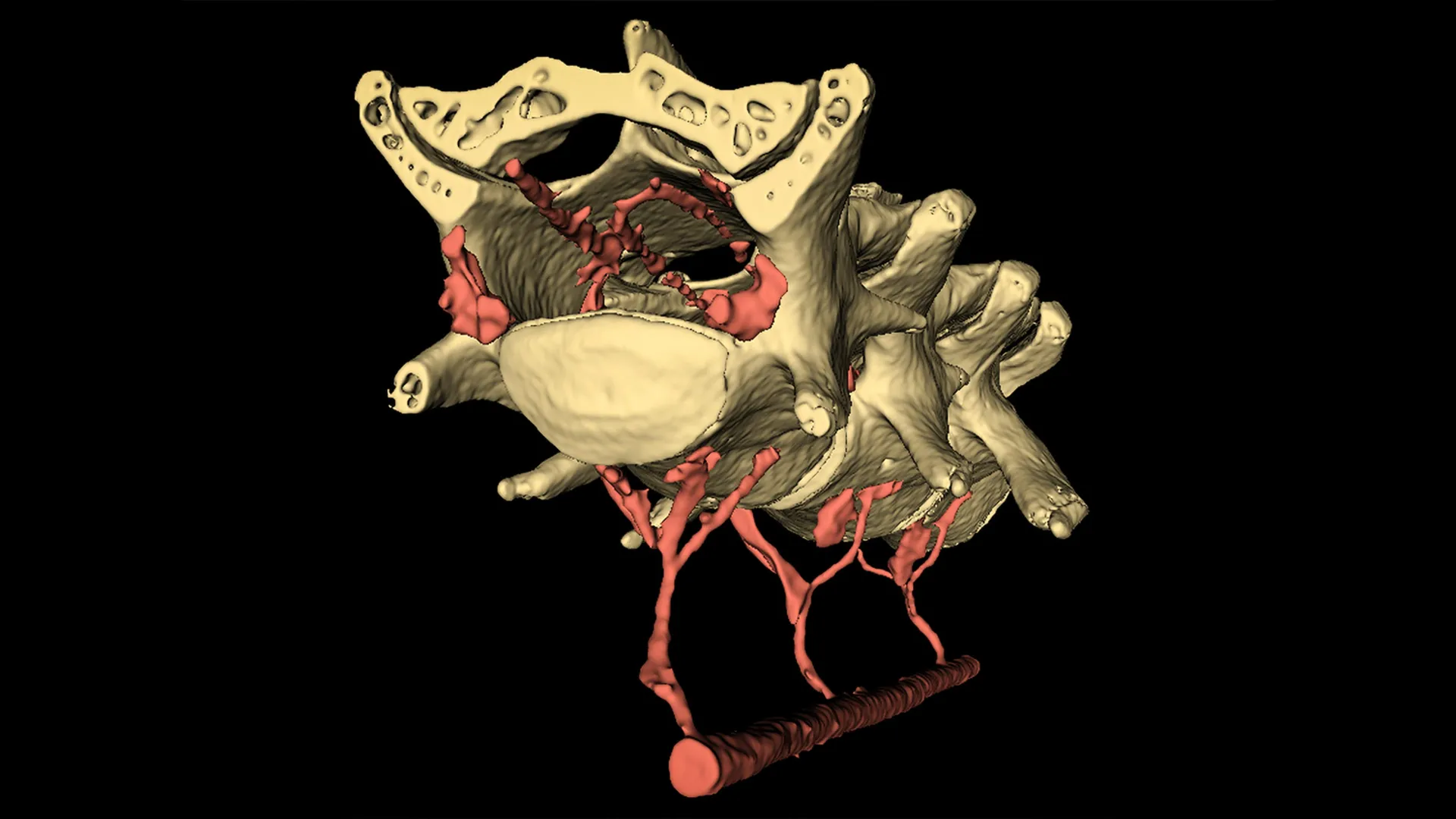
“This is a hidden mechanism we didn’t fully appreciate before,” said Dr. Elena Vasquez, a neuroscientist at the University of Copenhagen and lead author of the study. “The movement acts like a gentle pump, aiding the brain’s natural cleaning process.”
Background
The discovery builds on long-known connections between physical activity and brain health. Previous research has shown that exercise increases blood flow and releases neuroprotective chemicals, but the direct mechanical effect of abdominal muscle tension on the brain had remained unknown.
The study, published in the journal Nature Neuroscience, used high-resolution imaging to track brain motion in real time during simple core contractions. “We saw the brain shift by fractions of a millimeter with each abdominal tightening,” Dr. Vasquez explained. “That tiny movement coincides with increased flow of cerebrospinal fluid.”
What This Means
These findings point to a new understanding of how everyday movements—like standing up straight or even coughing—could help clear protein plaques associated with Alzheimer’s and other neurodegenerative diseases. The brain’s “glymphatic” system relies on cerebrospinal fluid to wash away metabolic waste, and this mechanical boost may enhance its efficiency.
“This could explain why even mild physical activity is linked to lower dementia risk,” said Dr. James Carter, a neurologist at Johns Hopkins University who was not involved in the study. “We now have a concrete mechanical pathway to investigate further.”
The research opens the door to potential therapies that target this mechanism. Simple core-strengthening exercises or even wearable devices that subtly stimulate abdominal muscles might one day be used to support brain health. “If we can safely enhance this natural cleaning effect, we might slow cognitive decline without invasive procedures,” Dr. Vasquez noted.
However, experts caution that the study is preliminary, and the long-term impact requires more research. “We don’t yet know how much movement is optimal or whether the effect wears off with chronic use,” Dr. Carter added.
Practical Takeaways
- Regular core engagement—from yoga to simply tightening your stomach while sitting—may boost brain waste clearance.
- Combine with aerobic exercise for synergistic benefits; blood flow also improves glymphatic function.
- Consult a doctor before starting new regimens if you have existing health conditions.
For more details on the glymphatic system, see our background section above. The study’s full findings are available at Nature Neuroscience (doi:10.1038/example).