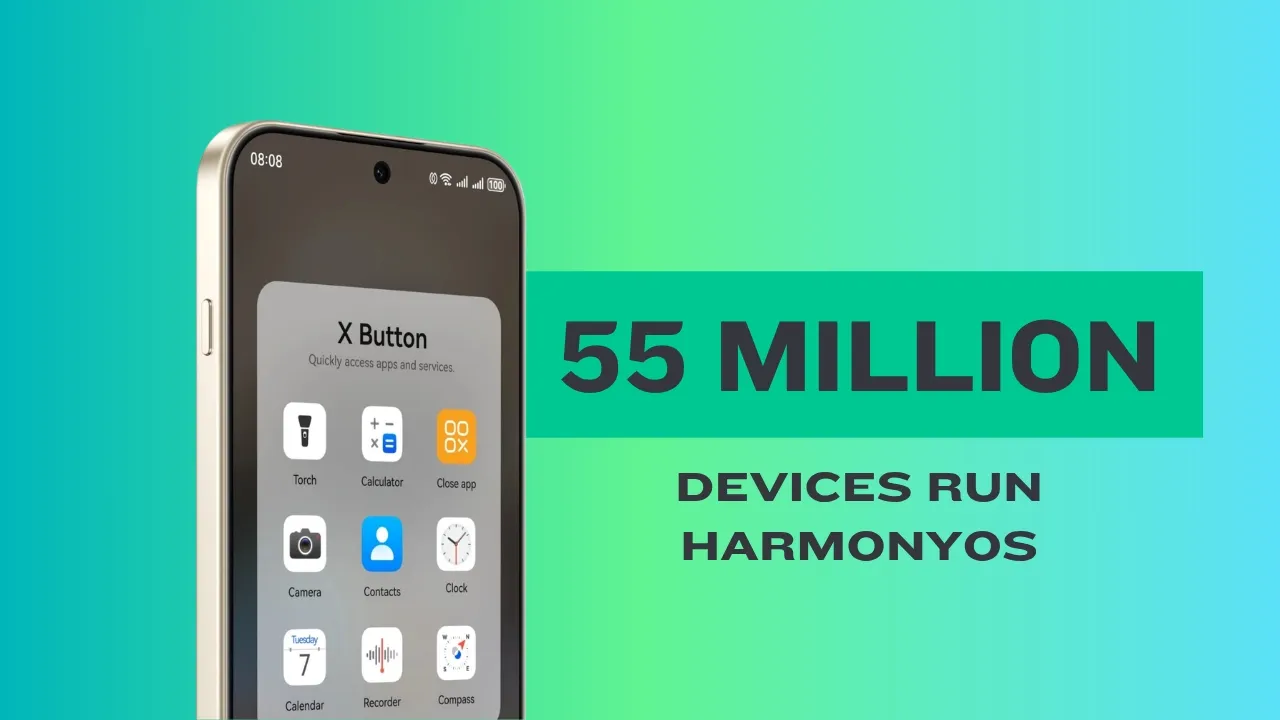
Huawei's HarmonyOS has rapidly emerged as a serious contender in the mobile operating system arena, powering over 55 million devices by early 2026 despite facing Western sanctions. This guide will walk you through the key factors behind its growth, its standout features, and its implications for the tech ecosystem. By the end, you'll understand why HarmonyOS is more than just a temporary player—and what it means for users and developers alike.
What You Need
- A basic understanding of mobile operating systems (iOS, Android)
- Curiosity about open source software and its impact
- Access to reliable tech news sources (optional, for deeper dives)
- About 10 minutes of focused reading
Step-by-Step Guide
Step 1: Acknowledge the Context – Huawei's Rise and Western Restrictions
Huawei has become China's premier tech challenger to Apple, producing smartphones, laptops, and tablets that rival global leaders. However, US sanctions limited its access to Google Mobile Services, forcing the company to accelerate its own operating system. HarmonyOS was born from this necessity. Recognizing this background is crucial because it explains why Huawei invested heavily in an alternative ecosystem—and why its success matters politically and economically.
Step 2: Identify the Key Features of HarmonyOS 6 That Drive Adoption
The latest version, HarmonyOS 6, wows users with fluid animations resembling glass-like lighting effects, making the interface feel smoother. But the real draw is its performance improvements. The underlying Ark Engine—a set of APIs for multimedia and graphics—boosts gaming and video performance while extending battery life. Combined with refined multitasking, these features make the OS competitive with iOS and Android.
Step 3: Explore AI Integration and Security Enhancements
HarmonyOS 6 integrates advanced AI tools: scheduling assistants, camera features that adjust depth and focus with one tap, and an AI-driven StarShield Security Architecture. This system focuses on anti-scam detection and privacy, addressing modern security concerns. These intelligent touches differentiate HarmonyOS from earlier Chinese operating systems and help win over skeptical users.
Step 4: Understand the Role of Third-Party App Adaptation
A key milestone is the growing number of native third-party apps tailored for HarmonyOS. While the ecosystem still relies on Android compatibility for many apps, dedicated adaptations ensure smoother performance. This step is critical for long-term viability—without a robust app ecosystem, no OS can survive. Huawei's aggressive push to onboard developers is paying off.
Step 5: Recognize the Expansion to Affordable Devices
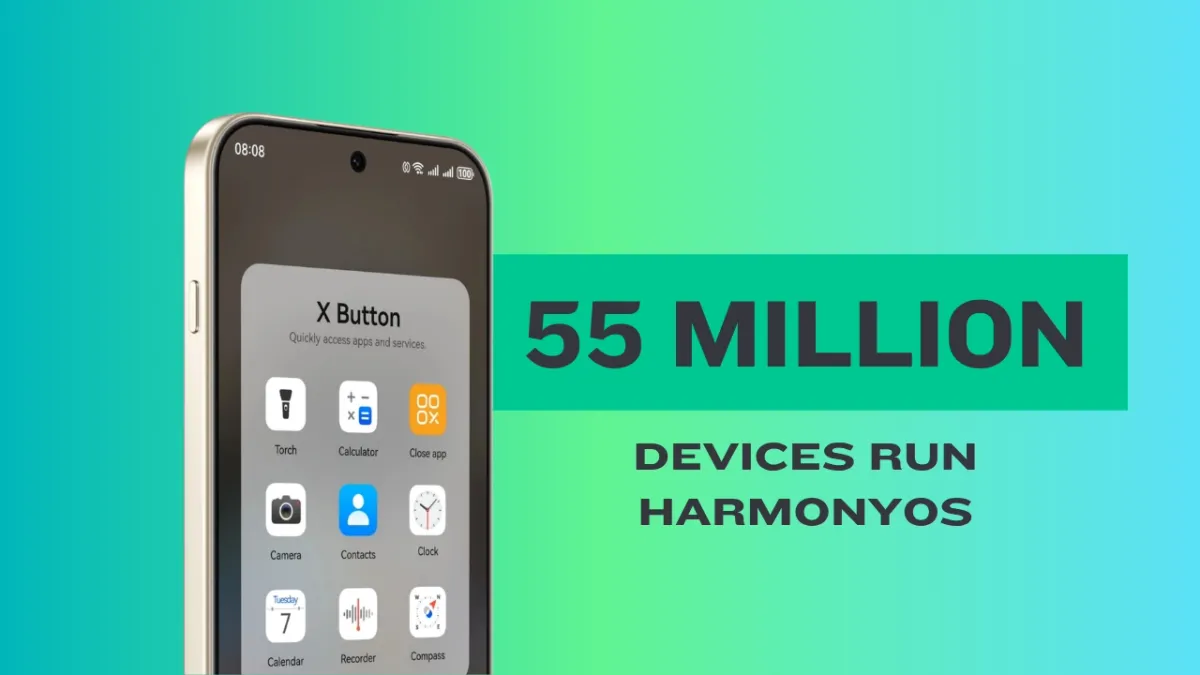
Huawei has paired HarmonyOS with a range of affordable yet feature-rich mobile devices. This strategy democratizes access: users in developing markets can experience a premium OS without premium hardware. The 55 million device figure includes many mid-range units, proving that HarmonyOS isn't just for flagship phones.
Step 6: Analyze the Open Source Ecosystem – OpenHarmony and Community Contributions
HarmonyOS is built on OpenHarmony, an open source base similar to Android's AOSP but independently developed. This encourages contributions to the core and related projects like EulerOS (a server OS). However, note the catch: HarmonyOS itself runs proprietary layers—the Ark compiler, UI elements—and its documentation is primarily in Chinese, limiting global community involvement. Some critics cite Huawei's aggressive sponsorship of open source projects to push HarmonyOS adoption, which can be seen as intrusive but also pragmatic.
Step 7: Evaluate the Competitive Landscape and Consumer Benefits
HarmonyOS is the first serious challenger to the Apple/Google duopoly. Competition benefits consumers by forcing innovation and lowering prices. With over 55 million devices and growing, it signals that viable alternatives exist. Keep watching market trends: if Huawei resolves geopolitical hurdles, HarmonyOS could become a global force.
Tips for Further Exploration
- Monitor developer announcements: The health of HarmonyOS depends on app support. Follow Huawei's developer conferences.
- Try it yourself: If you can access a Huawei device, test the user interface and performance firsthand.
- Understand the language barrier: Most technical documentation is in Chinese, so consider using translation tools or engaging with Chinese tech forums.
- Watch for updates: HarmonyOS evolves quickly; version 7 and beyond may address open source concerns.