Meta Breaks Free from WebRTC 'Forking Trap' with Dual-Stack Architecture – 50+ Use Cases Migrated
Meta has successfully escaped the costly 'forking trap' by migrating over 50 real-time communication (RTC) use cases away from a diverged WebRTC library. The social media giant's new dual-stack architecture allows safe A/B testing of each upstream release before a full rollout.
'This marks the end of a multiyear effort to avoid the drift that plagues many forked open-source projects,' said a Meta engineer involved in the project. 'Our solution ensures we stay current with community upgrades while maintaining our proprietary optimizations for billions of users.'
Background
WebRTC is an open-source library powering real-time audio and video across platforms. Meta relies on it for Messenger, Instagram, Cloud Gaming, and VR casting on Meta Quest. Permanently forking such a large project creates a common industry trap: over time, internal customizations diverge from upstream, making it costly to merge community updates.
The Challenge
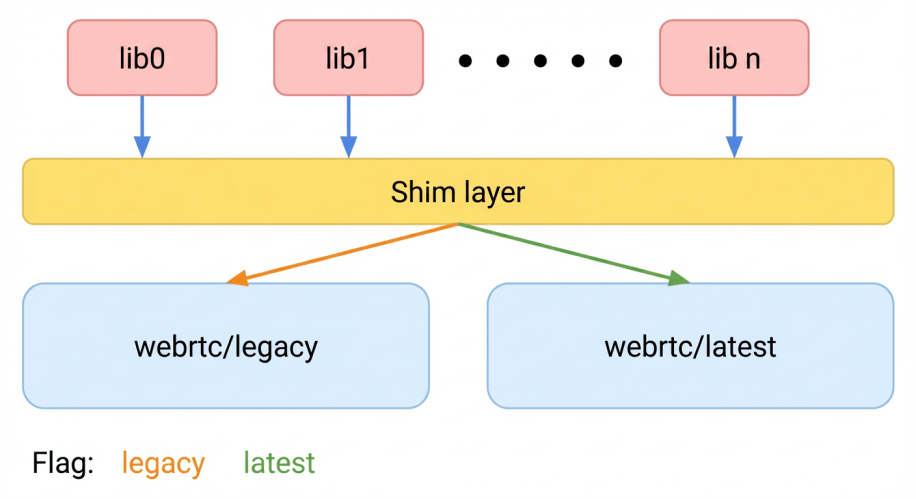
Upgrading WebRTC while serving billions presented unique risks. A one-time upgrade could introduce regressions across diverse devices. To mitigate this, Meta prioritized A/B testing the legacy version alongside the new upstream version in the same application. However, static linking both versions violated the C++ One Definition Rule (ODR), causing symbol collisions.
The Solution
Meta engineered a way to build two versions of WebRTC simultaneously within a single library. They solved ODR violations by injecting proprietary implementations and using unique namespaces. This enabled dynamic switching between versions for safe experimentation. 'We turned the forking problem into a continuous upgrade cycle,' the engineer added.
What This Means
For end users, this migration delivers improved performance, smaller binary sizes, and stronger security across all Meta's RTC services. For the developer community, Meta's approach offers a blueprint for managing large-scale open-source dependencies within monorepos without falling into the forking trap. The company now A/B tests each new upstream WebRTC release before committing to a full upgrade, ensuring stability at scale.
Meta plans to continue using this architecture for future WebRTC releases, and the team is exploring ways to share parts of their methodology with the open-source community.