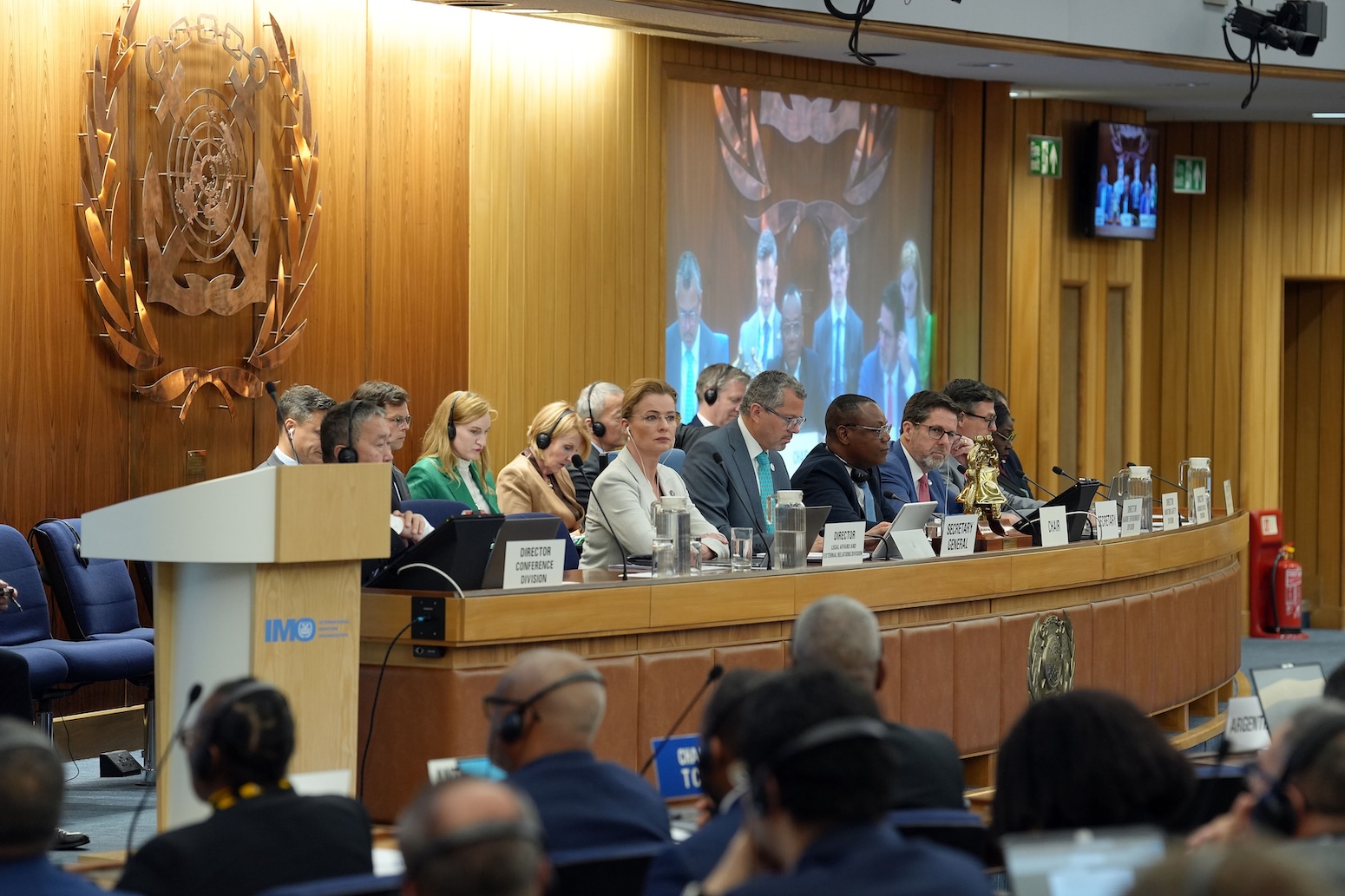
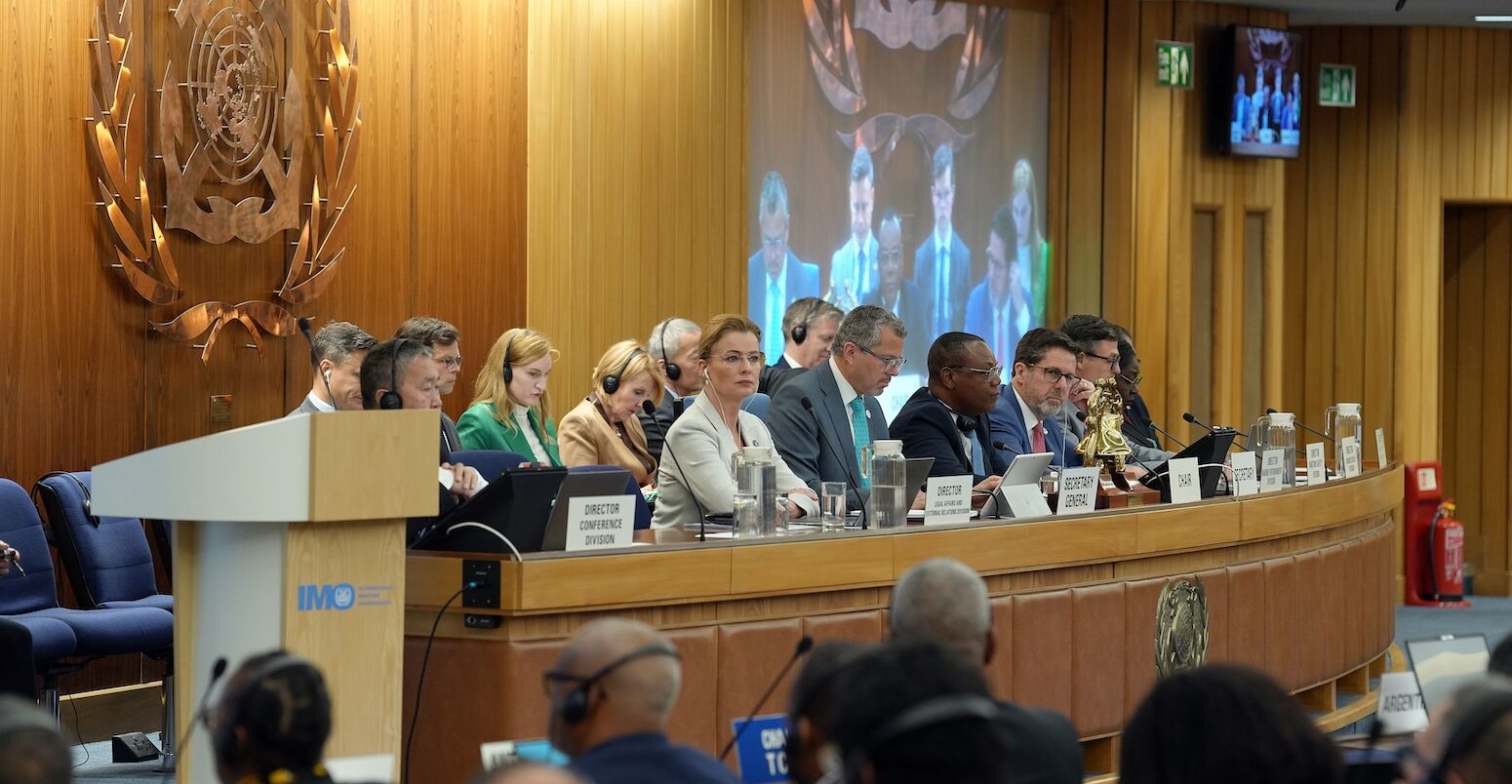
The International Maritime Organization (IMO) has been working tirelessly to finalize a net-zero framework for global shipping emissions, a critical step in curbing the sector’s roughly 2% of global greenhouse gases. However, the path has been fraught with political battles and competing interests. At the latest Marine Environment Protection Committee meeting (MEPC84) in London, nations managed to keep the framework alive, though adoption is now postponed until December 2026. Here’s a breakdown of the key issues, players, and outcomes.
Why Was the Net-Zero Framework Delayed in 2025?
In April 2025, IMO member states reached a preliminary agreement on the framework during MEPC83, even after the United States withdrew halfway through the session. The plan was to formally adopt it at an extraordinary session in October 2025. But that meeting turned contentious as the Trump administration launched what critics called “bully-boy tactics” — pressuring other nations to reject the deal. The U.S., along with some fossil-fuel-producing countries and industry groups, argued that the framework’s carbon-pricing mechanism was too onerous and should be stripped out or the entire proposal abandoned. As a result, the adoption was postponed, leaving the shipping industry in limbo.
Why Do Some Countries Oppose the Net-Zero Framework?
Opposition centers on the proposed carbon-pricing mechanism, which would impose a levy on shipping emissions. Countries like the United States, Saudi Arabia, and other fossil-fuel exporters view this as an economic threat. They argue it would raise transportation costs and hurt developing economies that rely on cheap shipping. Industry groups have echoed these concerns, warning that a carbon price could disrupt global trade. During MEPC84, Liberia and Panama — flag states for about one-third of the world’s commercial fleet — along with Argentina, tabled a counter-proposal that effectively removed carbon pricing from the framework. They claimed this approach would be more “consensus-based,” but supporters saw it as a tactic to derail the agreement.
What Alternative Frameworks Were Discussed?
Alongside the original net-zero framework, several alternatives surfaced. The Liberia-Panama-Argentina proposal stripped the carbon-pricing mechanism while retaining some emissions reduction targets. Another idea floated by some industry players was a voluntary approach without mandatory levies. However, these alternatives faced strong pushback from environmental groups and nations like Brazil, the European Union, and Pacific island states. They argued that the original framework was already a “careful balance of interests” after years of negotiation. Without pricing, they said, the shipping sector would lack the financial incentive to decarbonize rapidly enough to meet the 2023 IMO net-zero target.
What Do Supporters of the Net-Zero Framework Want?
Supporters — including the EU, Brazil, and vulnerable small island states — want a robust, legally binding mechanism that includes carbon pricing to drive investment in green fuels and energy efficiency. They point out that international shipping is not covered by the Paris Agreement, making the IMO’s role even more critical. The framework would set binding reduction milestones and a carbon levy to fund clean technology and compensate developing nations. For Pacific islands facing sea-level rise, rapid decarbonization is existential. They stress that the framework was already a compromise and should not be further weakened.
What Was the Final Outcome from the IMO Meeting?
After intense negotiations at MEPC84 in London, the framework survived — but with a delay. Delegates reconfirmed their commitment to rebuilding consensus and set a new deadline: adoption at the December 2026 IMO meeting. This means the shipping industry will face at least another year of regulatory uncertainty. Meanwhile, the U.S. continues to oppose carbon pricing, and alternative proposals remain on the table. In a statement, the IMO said it would hold intersessional talks to bridge differences. Environmental groups expressed cautious optimism, noting that the framework is still alive, but urged countries not to dilute it further.
As the world waits, the core challenge remains: can the IMO balance economic concerns, geopolitical rivalries, and the urgent need to decarbonize one of the hardest-to-abate sectors? The answer will shape the future of global trade and climate action.